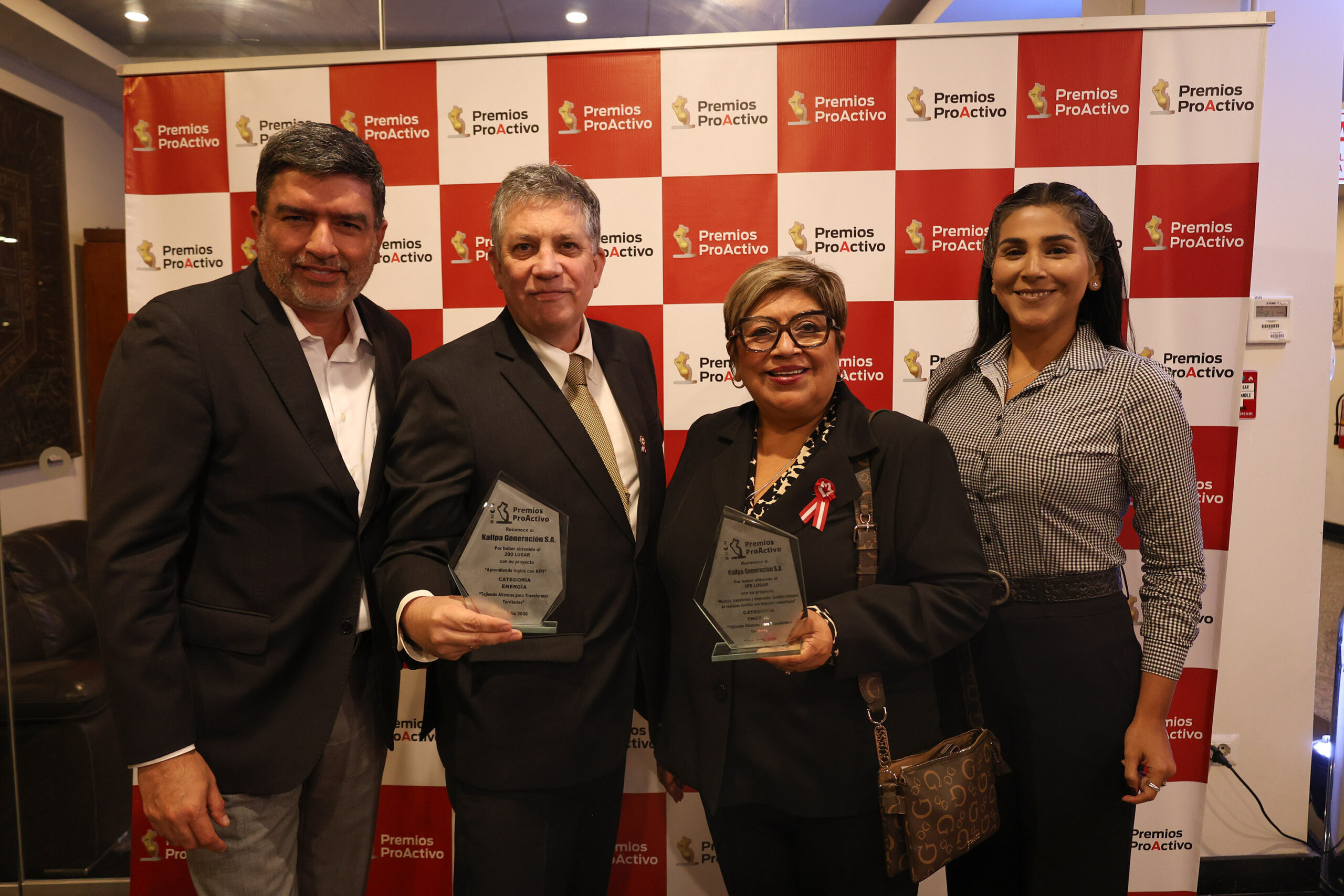
These initiatives ranked second and third, respectively, in the “Energy” category of the ninth national competition, which recognizes the best initiatives promoting sustainable development in the mining and energy sector in the country.
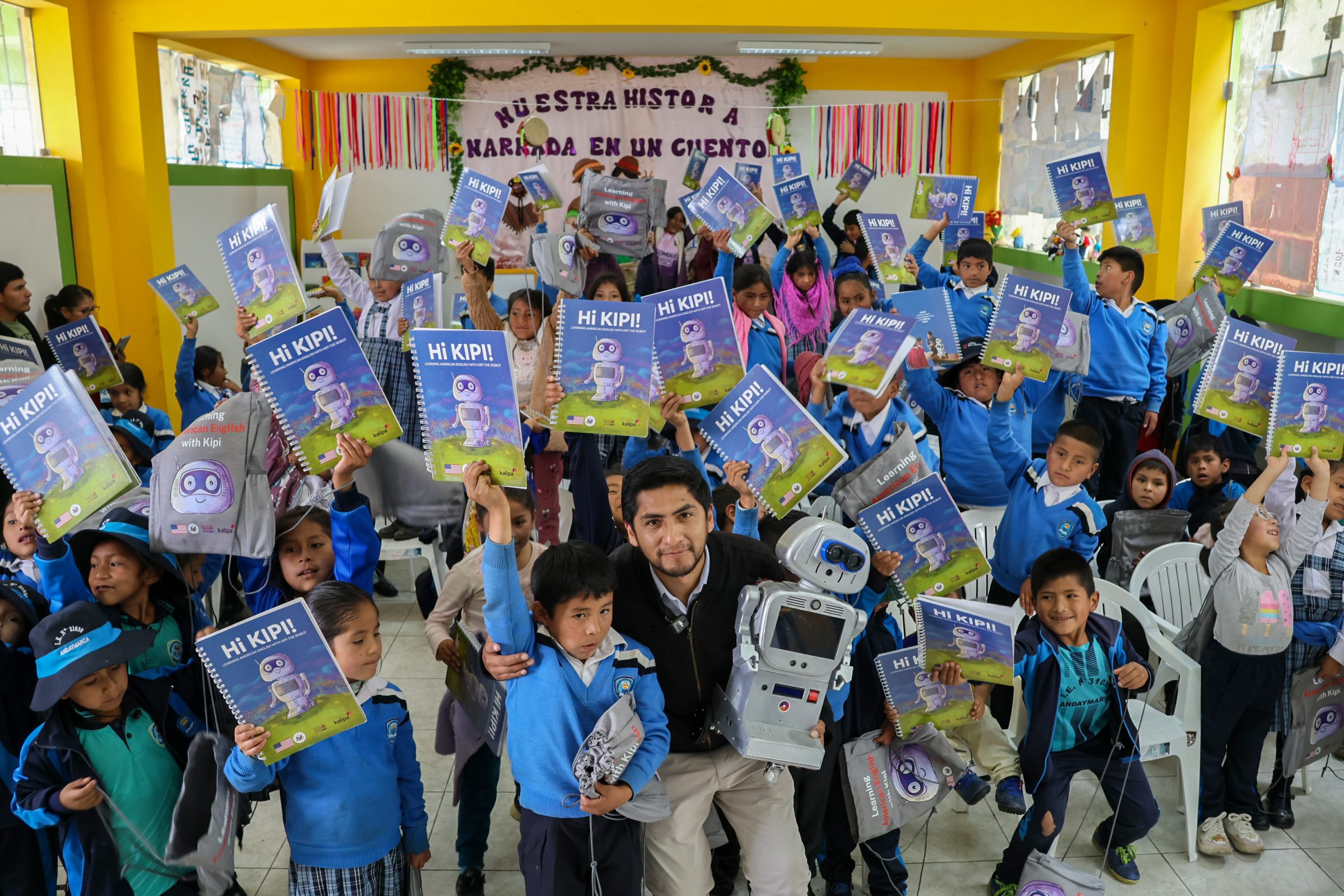
The “Learning English with Kipi” project promotes English-language learning through the participation of Kipi the robot in educational institutions in the districts of Andaymarca and Surcubamba, in the province of Tayacaja, Huancavelica.
Developed in partnership with the U.S. Embassy in Peru, the Tayacaja Local Education Management Unit (UGEL Tayacaja), and Walter Velásquez, the robot’s creator, the program has benefited more than 400 students and strengthened the skills of 42 teachers. It has brought innovative tools to rural schools while expanding learning opportunities for students in the area.
Array
(
[post__galeria_de_fotos_imagen] => https://kallpageneracion.com.pe/wp-content/uploads/2026/07/6V5A8478-1.JPG.jpeg
[post__galeria_de_fotos_titulo] =>
)
Array
(
[post__galeria_de_fotos_imagen] => https://kallpageneracion.com.pe/wp-content/uploads/2026/07/CH-CerroDelAguila_Gestion-Social_00217-scaled.jpg
[post__galeria_de_fotos_titulo] =>
)
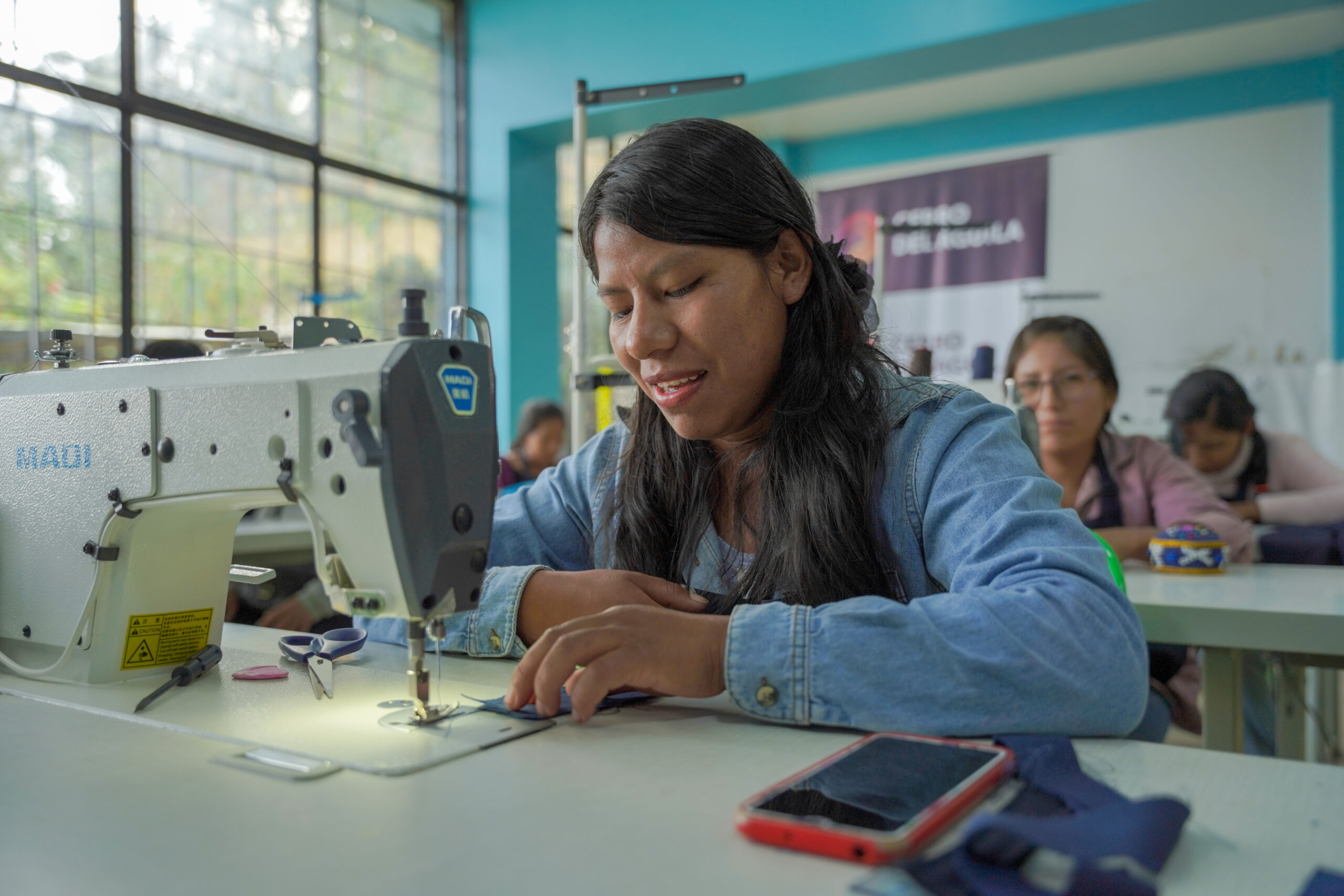
Meanwhile, “Recicla, transforma y emprende” promotes a circular economy model in the communities of Andaymarca. This initiative emerged from an internal campaign that reuses unused uniforms from our plants as raw material for the production of new textile products.
This was made possible thanks to the talent of women from the communities of Andaymarca and Siete Héroes, who received training through our cutting and sewing workshop and successfully transformed the recycled material into marketable textile products.
“At Kallpa, we believe that sustainable development becomes a reality when we promote initiatives that strengthen education, foster local businesses, and help create opportunities in the communities where we operate,” said Rosa María Flores-Araoz, CEO of Kallpa Generación.
Kallpa reaffirms its commitment to promoting initiatives that generate a positive impact in its areas of operation through a Shared Social Management model, which involves the participation of the government, local communities, and the private sector.